 Sardines
Are Sardines a Complete Protein? The Numbers for All 9 Amino Acids
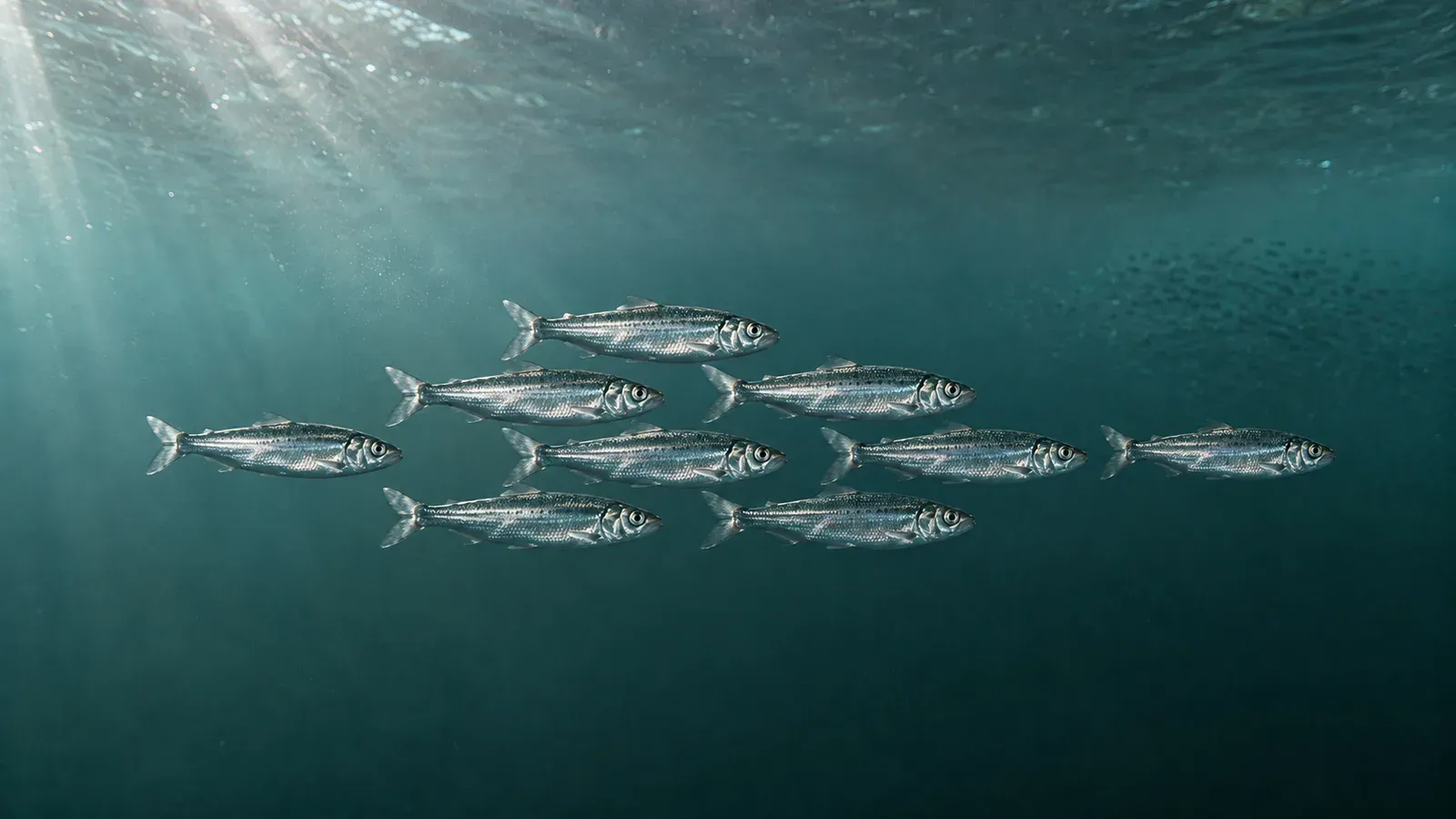
The short answer: yes. Sardines are a complete protein — all nine essential amino acids, in ratios that score a perfect 100 on the USDA amino acid profile. A single tin gives you around 21 grams of it, and unlike almost every other complete protein in the supermarket, each gram arrives chaperoned by calcium, omega-3s, B12 and vitamin D. Here are the measured numbers, and the price math against beef, pork and chicken.
What "complete protein" actually means
Your body builds its proteins from twenty amino acids. Eleven it can make itself. Nine it cannot — histidine, isoleucine, leucine, lysine, methionine, phenylalanine, threonine, tryptophan and valine have to arrive in food, every day. A food is a "complete protein" when it carries all nine in proportions close to what the body actually uses. Most plant proteins fall short on one or two (grains run low on lysine, legumes on methionine). Animal proteins generally qualify. Sardines don't just qualify — they clear the bar with room to spare.
The nine, measured
USDA figures for Atlantic sardines, canned in oil, drained, with bone — per 100 g, against the WHO/FAO daily requirement for a 70 kg adult:
| Essential amino acid | Per 100 g | Share of the daily target |
|---|---|---|
| Lysine | 2.26 g | ~108% |
| Leucine | 2.00 g | ~73% |
| Valine | 1.27 g | ~70% |
| Isoleucine | 1.14 g | ~81% |
| Threonine | 1.08 g | ~103% |
| Phenylalanine | 0.96 g | ~102%* |
| Methionine | 0.73 g | ~95%* |
| Histidine | 0.72 g | ~104% |
| Tryptophan | 0.28 g | ~99% |
*WHO sets the methionine and phenylalanine targets jointly with cystine and tyrosine; the combined sardine values (0.99 g and 1.79 g per 100 g) are what's scored here.
Read that middle column again. One 100-gram serving — less than a large tin — covers seventy to a hundred-plus percent of a grown adult's daily requirement for every single one of the nine. Two tins and the whole column clears 100. There is no limiting amino acid; the profile scores 100 out of 100.
The standout is lysine, the amino acid most of the world's staple crops are short on. If your diet leans on bread, rice or pasta, sardines are close to a purpose-built patch: 2.26 g of lysine per 100 g is more, gram for gram of protein, than you get from chicken breast.
Sardines vs beef, pork and chicken
Protein is where these four foods agree. It's everything traveling with the protein that separates them — per 100 g, cooked or drained:
| Sardines (canned, with bone) | Chicken breast (roasted) | Ground beef 85/15 (cooked) | Pork loin | |
|---|---|---|---|---|
| Protein | 24.6 g | 31 g | 25 g | ~27 g |
| Calcium | 382 mg | 15 mg | 20 mg | ~6 mg |
| EPA + DHA omega-3 | 0.98 g | 0.03 g | trace | trace |
| Vitamin B12 | 8.9 µg | 0.3 µg | 2.8 µg | ~0.6 µg |
| Vitamin D | 4.8 µg | 0.1 µg | trace | trace |
| Selenium | 53 µg | 28 µg | ~20 µg | 33 µg |
Chicken breast wins the protein row. Beef holds a respectable B12 line. Pork brings thiamin the others don't. And then there is the sardine column: nineteen times the calcium of beef, thirty times the omega-3 of chicken, a full month's-feel of B12 in one serving — 8.9 µg is over 370% of the daily value. That calcium is the bones, softened by the 115 °C sterilising cook every tin goes through — the same process that means you're meant to eat them. A sardine with the bones picked out is a sardine with its best column deleted.
The cost per gram of protein
US city-average prices, spring–summer 2026 (BLS), against the protein in each pound as purchased:
| Price | Protein per $ basis | Cost per gram of protein | |
|---|---|---|---|
| Chicken breast, boneless | $4.18/lb | ~102 g/lb raw | 4.1¢ |
| Pork chops | $4.39/lb | ~95 g/lb raw | 4.6¢ |
| Sardines, 3.75 oz tin | $1.12/tin | ~21 g/tin drained | 5.3¢ |
| Ground beef 85/15 | $6.83/lb | ~84 g/lb raw | 8.1¢ |
So no, sardines are not the cheapest gram of protein in the store — chicken breast keeps that title, and we're not going to pretend otherwise. But look at what the extra penny buys. Chicken's 4.1 cents gets you protein and not much else. Sardines' 5.3 cents gets you the protein plus a third of your calcium, a day of omega-3s, and a multiple of your B12 — nutrients you'd otherwise be buying separately as supplements or dairy. Priced as a bundle, the tin is the cheapest complete nutrition in the aisle. Against beef it isn't close: sardines deliver the same complete protein at two-thirds the price, with a fish-oil capsule's worth of EPA and DHA thrown in.
Buy the multipack and the gap closes further — larger packs regularly land under a dollar a tin, which brings sardines to roughly 4.5 cents per gram, level with chicken.
And the tin never asks for a refrigerator, a frying pan, or fifteen minutes of your evening. Protein you don't have to cook gets eaten on the days the plan falls apart. That's a nutrition fact too.
Sixty seconds of this, told by the fish
The claim in this article has a spokesman. Fishy made the case himself, in 24 seconds:
What this means in practice
A tin a day covers most of an adult's amino-acid needs and the full daily omega-3 target; even the every-day question mostly comes down to sodium and variety, not protein. If sardines are your protein anchor, pick tins packed in olive oil or water, keep the bones in, and rotate brands and origins the way you'd rotate anything else in a sane diet. For the wider nutrition picture — heart, bone, and the mercury question — the full health guide has the numbers, and the arsenic article covers the one metal people actually ask about.
Complete protein, measured, at pennies per gram, with the calcium built into the skeleton you're supposed to swallow. Eat the bones.
Sources & further reading
- USDA FDC 175139 — Atlantic sardine amino acid profile (amino acid score 100)
- NutritionValue — canned Atlantic sardine, per-100g protein, calcium, B12, D, EPA/DHA, selenium
- NutritionValue — roasted chicken breast comparison values
- Nutrient Optimiser — ground beef 85/15 comparison values
- FoodStruct — pork loin comparison values
- BLS via FRED — ground beef US city average, $6.83/lb (June 2026)
- BLS via FRED — boneless chicken breast, $4.18/lb (June 2026)
- BLS via FRED — pork chops, $4.39/lb (May 2026)
- Reference tin price: Walmart Great Value sardines in oil, 3.75 oz, $1.12 (checked 2026-08-09) — price reference only
- WHO/FAO/UNU 2007 — Protein and amino acid requirements in human nutrition (technical report 935); adult mg/kg/day × 70 kg used for the daily-target column
Frequently asked questions
Are sardines a complete protein?
Yes. Sardines contain all nine essential amino acids in the proportions the body needs, with an amino acid score of 100 in the USDA profile. A single tin supplies histidine, isoleucine, leucine, lysine, methionine, phenylalanine, threonine, tryptophan and valine — nothing missing, nothing limiting.
Do sardines have all 9 essential amino acids?
They do. Per 100 g, canned sardines carry roughly 2.3 g lysine, 2.0 g leucine, 1.3 g valine, 1.1 g each of isoleucine and threonine, about 0.7 g each of histidine and methionine, 0.96 g phenylalanine and 0.28 g tryptophan — USDA-measured values, not estimates.
How much protein is in a can of sardines?
A standard 3.75 oz (106 g) tin holds about 20–23 g of protein once drained, depending on the pack. That is roughly the protein of three eggs, sealed under a lid that keeps for years.
Are sardines better than chicken for protein?
On protein alone, chicken breast wins narrowly — more grams per 100 g and the cheapest protein in the store. But each gram of sardine protein arrives with calcium, EPA and DHA omega-3s, vitamin B12, vitamin D and selenium that chicken barely registers. As a nutrient bundle, the tin wins.
What is the cheapest complete protein?
At mid-2026 US prices, chicken breast costs about 4 cents per gram of protein, pork chops about 4.6, sardines about 5 (closer to 4.5 bought in multipacks), and ground beef about 8. All four are complete proteins; only one of them also delivers a third of your daily calcium and a day's omega-3s.